
}
Last updated: February 28, 2026
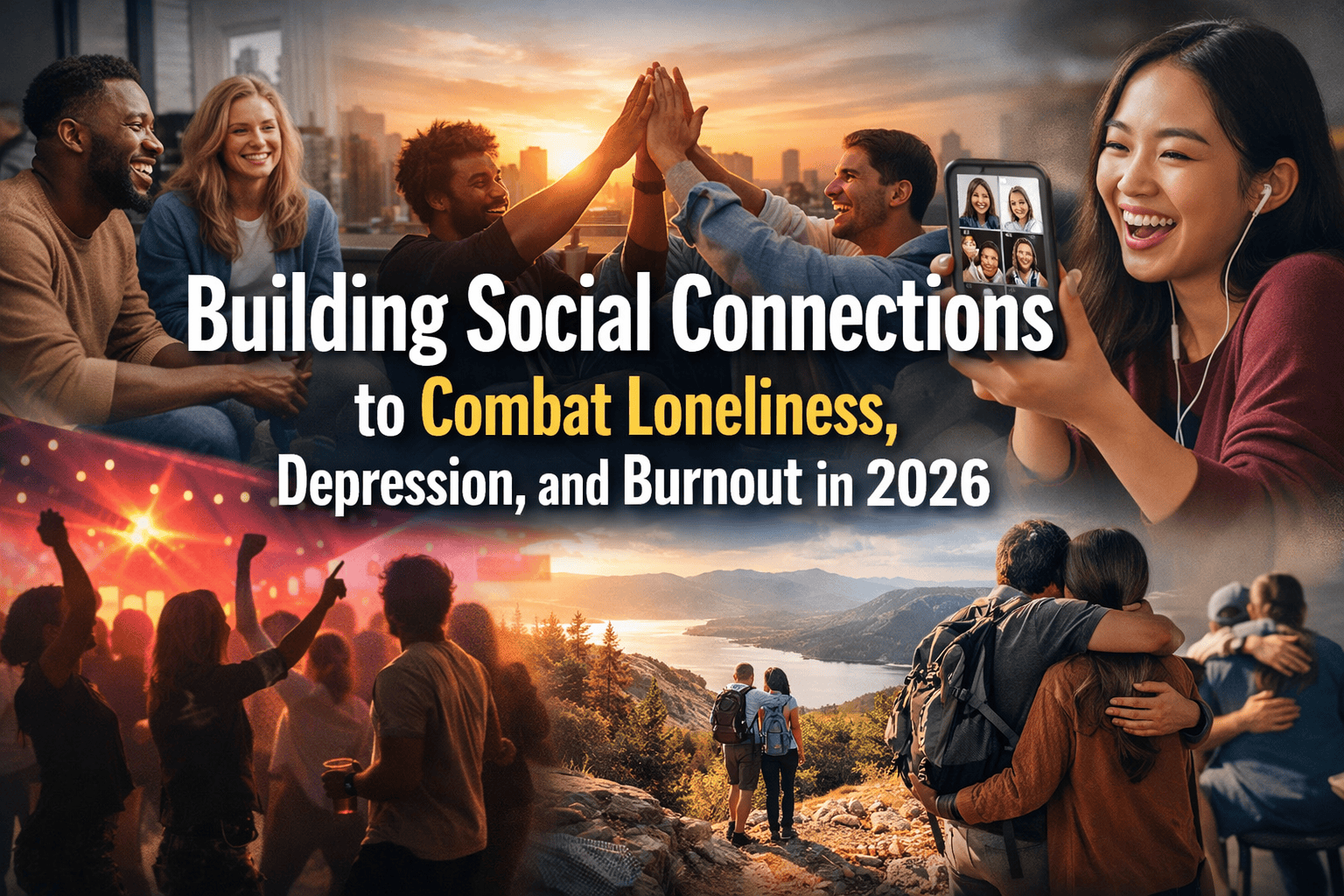
Spending time with friends isn’t just enjoyable—it’s medicine for your brain. When you connect with others, your body releases dopamine (the feel-good chemical) and lowers cortisol (the stress hormone), creating a biological shield against depression, anxiety, and burnout. Building social connections to combat loneliness, depression, and burnout in 2026 means understanding that relationships aren’t a luxury for busy professionals—they’re essential infrastructure for mental health and career sustainability.
Key Takeaways
- Social connection triggers dopamine release and reduces cortisol, providing measurable stress relief and mood improvement
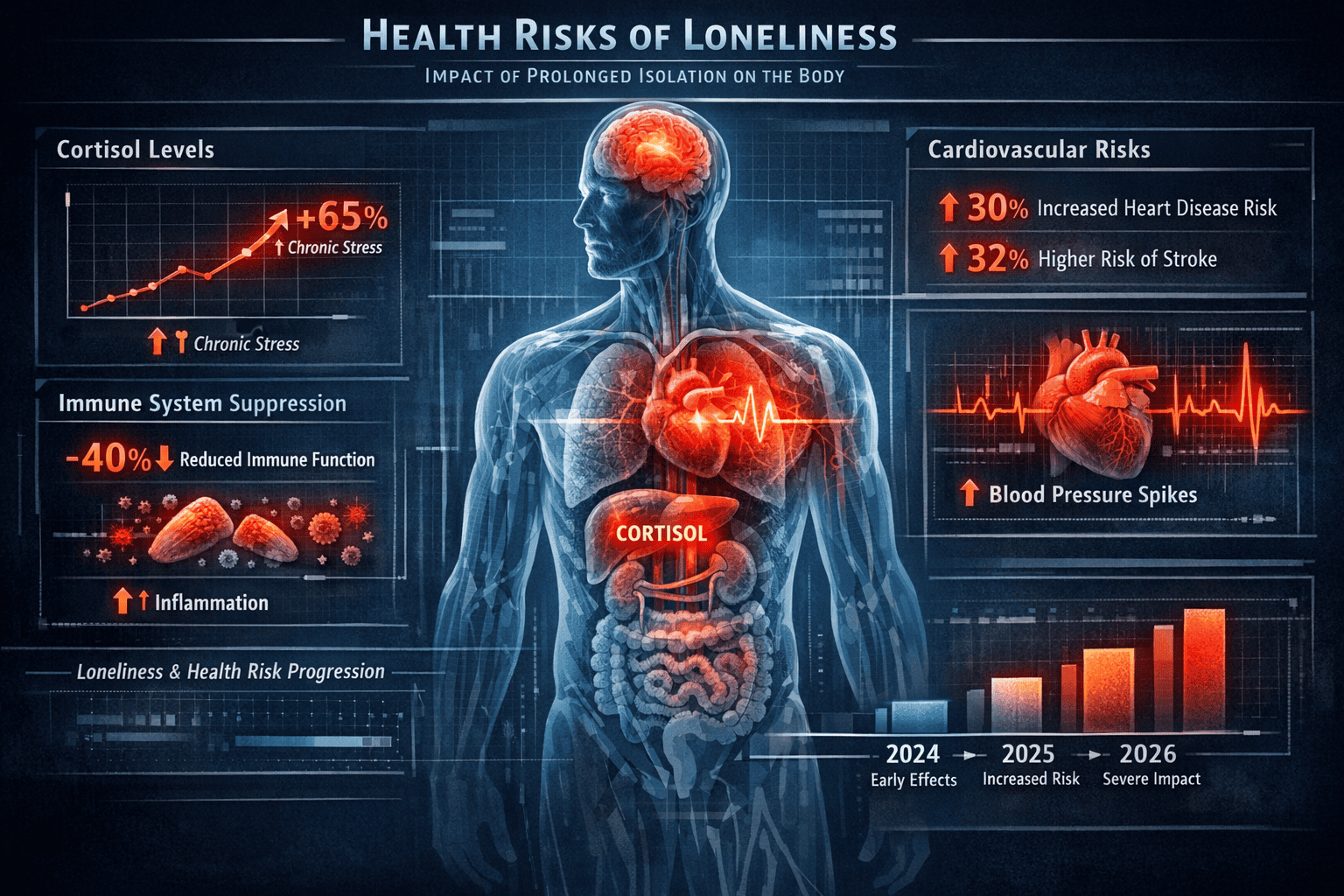
- Loneliness carries health risks comparable to smoking 15 cigarettes daily, including 29% higher heart disease risk and 50% increased dementia risk
- “Third places” like cafés, libraries, and community spaces reduce isolation without requiring deep conversation
- Quality beats quantity: A few meaningful connections buffer burnout better than large, shallow networks
- Hybrid approaches work best: Combine in-person meetups with digital tools and professional support when needed
- Small, consistent actions (weekly coffee dates, joining one group) build sustainable social habits
- Federal and local initiatives in 2026 are funding community programs specifically designed to reduce isolation
Quick Answer

Building social connections to combat loneliness, depression, and burnout in 2026 requires intentional action: schedule regular face-to-face time with friends or colleagues, join community spaces where you can be “alone together” (cafés, parks, hobby groups), and treat social time as non-negotiable in your calendar. The science is clear—social support doesn’t just feel good, it measurably reduces stress hormones, prevents depression, and builds resilience against workplace burnout better than medication or therapy alone.
Why Does Social Connection Actually Reduce Depression and Stress?
Social interaction creates measurable chemical changes in your brain. When you spend time with people you trust, your brain releases dopamine and oxytocin while simultaneously lowering cortisol levels. This biochemical shift improves mood, reduces anxiety, and helps you sleep better.
Here’s what happens physically:
- Dopamine boost: Genuine conversation and shared activities trigger reward pathways, countering the flat mood of depression
- Cortisol reduction: Social support signals safety to your nervous system, turning down your stress response
- Improved sleep: Lower evening cortisol means better sleep quality, which further protects against burnout
- Resilience building: Regular social contact creates a buffer that helps you bounce back from work stress faster
Common mistake: Waiting until you “feel like” socializing. Depression often kills motivation for connection, but forcing yourself to show up—even when you don’t feel like it—activates these beneficial brain changes. Think of it like exercise: the hardest part is starting, but the chemical payoff happens whether you’re enthusiastic or not.
For more on how your brain can work against you during stress, check out when your brain plays tricks on you.
What Are the Actual Health Risks of Loneliness in 2026?

Chronic loneliness isn’t just uncomfortable—it’s a medical risk factor. U.S. Surgeon General Vivek Murthy has linked persistent isolation to a 29% increase in heart disease risk, 32% higher stroke risk, 50% greater dementia risk, and a 60% increase in premature death. These numbers put loneliness on par with smoking 15 cigarettes per day in terms of health impact.
Who’s most affected:
- Young adults: 29% report daily loneliness, the highest of any age group
- Low-income workers: Financial stress compounds isolation
- Remote professionals: Lack of workplace social structure increases risk
- Older adults: Physical mobility limits and retirement reduce natural connection points
Recent data shows 18.3% of U.S. adults experienced depression in 2025, with loneliness as a major contributing factor. The American Psychological Association’s 2025 Stress in America report found 54% of adults feel isolated and 50% feel left out—a “crisis of connection” that demands practical solutions.
Choose this approach if: You’re experiencing physical symptoms (poor sleep, frequent illness, fatigue) alongside low mood. Addressing isolation may improve both mental and physical health simultaneously.
How Do You Actually Start Building Social Connections When You’re Burned Out?
Start small and be strategic. When you’re already exhausted, adding “make friends” to your to-do list feels impossible. Instead, build connection into activities you’re already doing or need to do anyway.
Practical starting points:
- Attach social time to existing routines: Invite a colleague to your regular coffee run, or ask a neighbor to walk dogs together
- Join structured groups: Book clubs, fitness classes, or volunteer shifts provide built-in conversation topics and regular contact
- Use “third places”: Work from a café instead of home, visit the library, or sit in a park—being around people (even without talking) reduces loneliness
- Schedule it like work: Block 2-3 hours weekly for social time and protect it as fiercely as a client meeting
Edge case: If social anxiety makes groups overwhelming, start with one-on-one coffee dates or parallel activities (hiking, crafting) where conversation is optional but presence is shared.
On February 24, 2026, USAging’s Strengthening Social Connection in Communities announced grants funding 11 organizations across the U.S. to replicate evidence-based programs targeting depression and isolation, particularly for older adults and those with cognitive impairments. These programs offer structured, low-pressure entry points for building connections.
For additional strategies on managing stress while building connections, explore how to release emotional stress.
What Are “Third Places” and Why Do They Matter for Mental Health?

“Third places” are community spaces outside your home (first place) and work (second place) where people gather informally. Think cafés, libraries, parks, community centers, or farmers markets. These spaces reduce loneliness through what Utrecht University Assistant Professor Luzia Heu calls “alone together”—being in the presence of others without requiring direct interaction.
Why they work:
- Lower barrier to entry: No commitment or social performance required
- Ambient connection: Seeing familiar faces and casual greetings build belonging over time
- Flexibility: You control the level of interaction based on your energy
- Accessibility: Most are free or low-cost
On February 24, 2026, MRSC Insight highlighted how U.S. cities are prioritizing walkable neighborhoods, green spaces, and third places to foster belonging and combat urban loneliness. These design choices recognize that social infrastructure matters as much as roads and utilities.
Decision rule: Choose third places if you’re burned out and need connection without the energy drain of planned social events. Regular presence in the same space builds passive familiarity that can evolve into deeper connections naturally.
Humor can also play a role in reducing stress in these settings—learn more about the stress-busting benefits of humor.
Can Technology and Apps Help, or Do You Need In-Person Connection?
Both matter, but they serve different purposes. AI mental health apps like Wysa, Woebot, and Flourish offer cognitive behavioral therapy (CBT) and mindfulness tools that are scalable, affordable, and available 24/7. Research shows these apps can improve well-being, especially for people who can’t access traditional therapy.
When digital tools help:
- Immediate support: Apps provide coping strategies during late-night anxiety or burnout spirals
- Skill building: CBT exercises teach you how to challenge negative thoughts and manage stress
- Accessibility: Lower cost than therapy, no waitlists, works around your schedule
- Supplement to in-person: Apps fill gaps between therapy sessions or social meetups
When in-person wins:
- Biochemical benefits: Face-to-face interaction triggers stronger dopamine and oxytocin responses
- Nonverbal connection: Body language, eye contact, and physical presence create deeper bonding
- Accountability: Real people notice when you’re struggling and can intervene
- Resilience building: Research shows social support buffers burnout better than medication or therapy alone through resilience mediation
Best approach: Use apps for daily maintenance and skill-building, but prioritize regular in-person connection for sustained mental health. Think of apps as vitamins and in-person time as whole food—both contribute, but one is foundational.
If you’re dealing with catastrophic thinking patterns, don’t let your mind expect worst outcomes offers practical guidance.
What If You’re Too Busy or Work Demands Are Overwhelming?
Reframe social connection as performance fuel, not a distraction from work. Data shows that social support reduces personal and work-related burnout indirectly by building resilience. In other words, time spent connecting makes you more effective at work, not less.
Tactics for busy professionals:
- Combine work and social: Suggest walking meetings, lunch-and-learns, or coffee check-ins with colleagues
- Micro-connections count: A 5-minute genuine conversation has measurable stress-reduction benefits
- Batch social time: One 2-hour dinner with friends provides more benefit than scattered texts
- Set boundaries: Protect social time by saying no to low-value work tasks that creep into evenings
Common mistake: Treating relationships as a reward you’ll get to “someday” when work calms down. Work rarely calms down on its own. Social connection must be scheduled proactively, or burnout will force the issue through breakdown.
The Foundation for Social Connection Action Network released policy priorities for the 119th Congress in early 2026, advocating for federal solutions to loneliness through social infrastructure funding. This signals growing recognition that connection isn’t a personal failing—it’s a structural challenge requiring systemic support.
For perspective on using stress productively, see let the pressure of stress fuel your growth.
Frequently Asked Questions
How many social connections do I need to prevent depression?
Quality matters more than quantity. Research shows 2-3 meaningful relationships (where you feel understood and supported) provide more protection against depression than 10 superficial acquaintances. Focus on depth over network size.
What if I’m an introvert and socializing drains me?
Introverts still need connection but may prefer one-on-one conversations or smaller groups. Schedule social time in shorter bursts, choose quieter settings, and build in alone time afterward to recharge. The chemical benefits still apply.
How long does it take to build a new friendship as an adult?
Studies suggest it takes roughly 50 hours of interaction to move from acquaintance to casual friend, and 200+ hours for close friendship. Consistency matters more than intensity—weekly contact builds bonds faster than monthly marathons.
Can work friendships count, or do I need separate social circles?
Work friendships absolutely count and provide unique benefits (shared context, daily contact). However, having at least one connection outside work protects you if job stress or changes disrupt those relationships.
What are signs my loneliness requires professional help?
Seek help if loneliness persists despite efforts to connect, if you’re experiencing suicidal thoughts, or if isolation is causing severe depression, anxiety, or physical health decline. Therapy can address underlying barriers to connection.
Do online communities reduce loneliness as effectively as in-person groups?
Online communities help but aren’t a complete substitute. They’re excellent for niche interests and 24/7 support but lack the full biochemical benefits of face-to-face interaction. Use them as a supplement, not replacement.
How do I find community groups if I’m new to an area?
Check Meetup.com, local library event calendars, volunteer match sites, fitness studios, religious organizations, or neighborhood apps like Nextdoor. Most cities have newcomer groups specifically designed for this purpose.
What if I’ve been isolated so long that I don’t know how to start conversations?
Start with structured settings where conversation topics are built-in (classes, volunteer work, hobby groups). Ask open-ended questions about the shared activity. Most people appreciate genuine interest and will carry the conversation.
Can pets help with loneliness and depression?
Pets provide companionship, routine, and purpose, which can reduce loneliness. Dog ownership specifically encourages outdoor activity and casual social interaction with other dog owners. However, pets supplement but don’t replace human connection.
How do I maintain friendships when everyone’s busy?
Schedule recurring meetups (first Tuesday of the month, weekly walk) so planning is automatic. Lower the bar—a 20-minute phone call or coffee counts. Send low-pressure texts (“thinking of you”) to maintain warmth between meetups.
What role does physical activity play in social connection?
Group fitness (running clubs, yoga classes, team sports) combines exercise (which independently reduces depression) with social interaction. The shared activity provides conversation topics and builds camaraderie through common goals.
Are there government programs helping with loneliness in 2026?
Yes. February 2026 saw new federal funding for community-based social connection programs, particularly for older adults. Local initiatives focus on walkable neighborhoods, public spaces, and accessible community centers. Check your city’s health department for resources.
Conclusion
Building social connections to combat loneliness, depression, and burnout in 2026 isn’t optional—it’s a core life skill for sustainable well-being. The science confirms what you probably already know intuitively: time with people you trust makes you feel better, sleep better, and handle stress better. Your brain chemistry shifts measurably when you connect, lowering cortisol and boosting dopamine in ways that medication alone can’t replicate.
Take these actions this week:
- Schedule one social activity in the next 7 days—coffee with a colleague, a phone call with an old friend, or attendance at a community event
- Identify your “third place”—a café, library, or park where you can work or relax around others
- Block recurring social time on your calendar and protect it like a critical work meeting
- Reach out to one person you’ve been meaning to connect with but haven’t made time for
The barriers are real—busy schedules, social anxiety, exhaustion from burnout. But waiting for the “right time” means waiting indefinitely. Start small, be consistent, and remember that showing up (even when you don’t feel like it) is what creates the chemical and emotional shifts that combat loneliness and depression.
You don’t need a massive social network. You need a few genuine connections and regular presence in community spaces. That’s achievable, measurable, and within your control starting today.
For additional support managing stress while building these connections, explore stress relief Bible verses for spiritual grounding.