
Last updated: March 1, 2026
Key Takeaways
- Longevity Mental Health Strategies: Preventing Burnout and Depression Through Proactive Habits focus on preventive care rather than reactive crisis management, extending your mental lifespan through daily habits
- Burnout functions as an early warning system for major depressive disorder, anxiety, and sleep disorders, not just temporary fatigue
- Exercise, sleep optimization, and resilience training form the foundation of proactive mental health protection
- Community programs and social connection reduce burnout risk by up to 40% when integrated into weekly routines
- Early intervention catches mental health decline before it becomes clinical depression, making recovery faster and more complete
- Workplace psychological safety directly impacts mental health outcomes, unsafe environments causally link to higher anxiety and depression rates
- Manager training and regular wellbeing assessments can reduce depression rates by up to 79%
Quick Answer

Longevity Mental Health Strategies: Preventing Burnout and Depression Through Proactive Habits combine exercise, sleep optimization, resilience training, and community connection to protect mental health before problems develop. Instead of waiting for burnout or depression to strike, these strategies build psychological resilience through daily habits that extend your mental lifespan. The approach treats mental health as an ongoing practice, similar to physical fitness, with measurable outcomes and early intervention checkpoints.
What Are Longevity Mental Health Strategies and Why Do They Matter in 2026?
Longevity mental health strategies are preventive practices designed to protect your psychological wellbeing over decades, not just manage immediate stress. These strategies extend your mental lifespan by building resilience before burnout or depression take hold.
By early 2026, workplace mental health has fundamentally shifted from reactive crisis intervention to proactive psychological safety as a core operating principle. Employers now recognize that burnout isn’t temporary exhaustion, it’s a clinical red flag for major depressive disorder, generalized anxiety disorder, insomnia, and substance misuse.
The shift matters because:
- Nearly 77% of professionals report experiencing burnout at work, with two-thirds feeling burned out in the past year
- Untreated burnout escalates into diagnosable mental health conditions that destabilize careers, relationships, and physical health
- Preventive habits cost less time and energy than recovering from full depression or anxiety disorders
- Early intervention catches decline when it’s still reversible, before clinical treatment becomes necessary
Choose longevity strategies if you want to stay mentally capable for the long haul, not just survive this quarter. Skip them if you’re comfortable gambling with your future mental health.
How Do Exercise and Movement Build Mental Health Resilience?

Regular physical activity functions as a biological antidepressant and anxiety buffer, creating physiological changes that protect against burnout and depression.
Exercise impacts mental health through multiple pathways:
- Neurochemical regulation: Movement increases serotonin, dopamine, and endorphins while reducing cortisol
- Brain structure: Aerobic exercise grows the hippocampus, improving mood regulation and stress response
- Sleep quality: Physical activity deepens restorative sleep phases, which directly impact emotional stability
- Cognitive function: Exercise improves concentration and decision-making, countering burnout-related brain fog
Practical implementation:
- Start with 20-30 minutes of moderate activity, 4-5 days per week (brisk walking, cycling, swimming)
- Add resistance training twice weekly to boost confidence and body awareness
- Schedule movement during high-stress periods, not just when convenient
- Join group classes or walking groups to combine exercise with social connection
Common mistake: Waiting until you “feel motivated” to exercise. Depression and burnout kill motivation, that’s the point. Build the habit when you’re stable, so it carries you through rough patches.
For more on transforming stress into productive energy, see our guide on letting pressure fuel your growth.
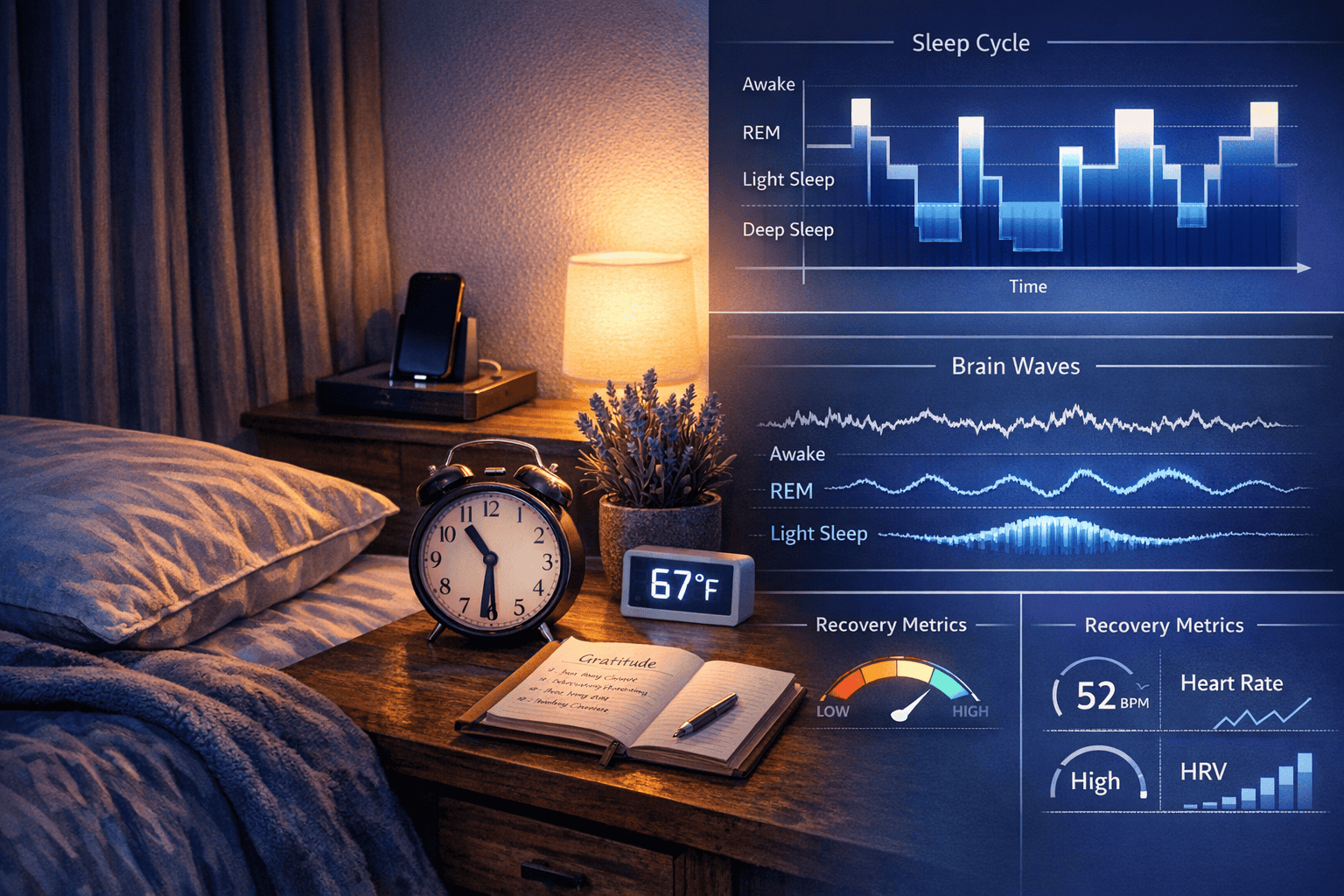
Why Is Sleep Optimization Critical for Preventing Depression?
Sleep functions as the brain’s maintenance system, without adequate restorative sleep, mood regulation fails and depression risk skyrockets.
Employees experiencing burnout consistently report persistent sleep problems, which then worsen emotional numbness, hopelessness, and concentration difficulties. This creates a vicious cycle where poor sleep deepens depression, and depression destroys sleep quality.
Sleep optimization checklist:
- Maintain consistent sleep/wake times (within 30 minutes, even on weekends)
- Create a cool environment (65-68°F optimal for deep sleep)
- Block blue light 90 minutes before bed (use phone charging stations outside the bedroom)
- Limit caffeine after 2 PM (half-life of 5-6 hours interferes with sleep initiation)
- Use the bedroom only for sleep (not work, TV, or scrolling)
Sleep tracking indicators:
| Sleep Metric | Healthy Range | Burnout Warning |
|---|---|---|
| Total sleep time | 7-9 hours | < 6.5 hours |
| Time to fall asleep | 10-20 minutes | > 30 minutes |
| Night wakings | 0-2 brief | 3+ or extended |
| Morning energy | Refreshed within 30 min | Groggy for hours |
Choose sleep optimization if you notice irritability, difficulty concentrating, or emotional overreactions, these signal sleep debt affecting mood regulation. If sleep problems persist beyond 2-3 weeks despite good habits, consult a healthcare provider for clinical assessment.
Learn more about releasing emotional stress that interferes with quality sleep.
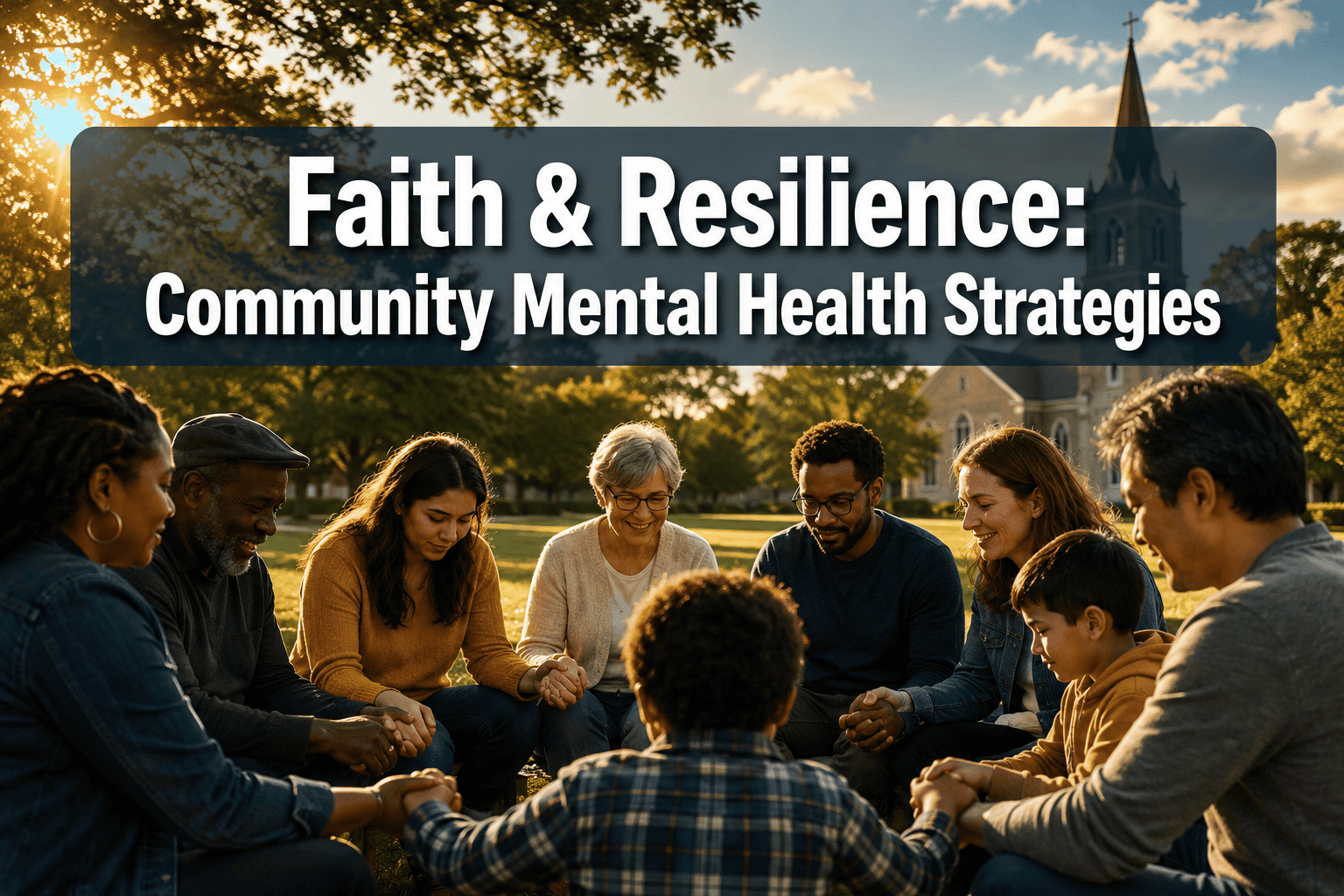
How Do Community Programs and Social Connection Prevent Burnout?

Social connection functions as a protective buffer against burnout and depression, with community-based programs reducing psychological distress by up to 40%.
Isolation amplifies burnout, when you’re struggling alone, problems feel insurmountable and hopeless thinking takes over. Community programs provide accountability, perspective, and emotional support that interrupt the downward spiral before it becomes clinical depression.
Effective community strategies:
- Join structured wellness groups (running clubs, meditation circles, skill-building workshops)
- Schedule weekly social commitments that aren’t work-related or family obligations
- Participate in volunteer activities that provide purpose and perspective
- Create peer support systems with colleagues facing similar professional challenges
Implementation framework:
- Identify one community activity aligned with your interests (not what you think you “should” do)
- Commit to 4-week trial before evaluating (connection takes time to develop)
- Show up consistently, even when motivation is low
- Share authentic struggles, not just surface-level updates
Common mistake: Treating social connection as optional “when things calm down.” Burnout makes you want to isolate, which accelerates decline. Community contact is most critical when you least feel like engaging.
The stress-busting benefits of humor work best in social settings where laughter is shared.
What Role Does Early Intervention Play in Longevity Mental Health Strategies?
Early intervention catches mental health decline at the warning stage, before burnout becomes major depression or anxiety disorders requiring intensive treatment.
Clinically, burnout now functions as an early warning system. Employees experiencing burnout report emotional numbness, hopelessness, reduced self-worth, difficulty concentrating, and persistent sleep problems, all mental health symptoms, not motivational issues.
Early intervention checkpoints:
- Monthly self-assessment using standardized tools (PHQ-9 for depression, GAD-7 for anxiety)
- Behavioral change monitoring (withdrawal from activities, irritability, concentration problems)
- Energy level tracking separate from productivity metrics
- Sleep pattern documentation to catch disruption early
When to seek professional support:
- Symptoms persist beyond 2 weeks despite implementing healthy habits
- Thoughts of hopelessness or worthlessness become frequent
- Work performance declines noticeably
- Relationships suffer due to mood changes
- Sleep problems resist optimization efforts
Progressive intervention ladder:
- Green zone: Implement preventive habits (exercise, sleep, community)
- Yellow zone: Add stress management techniques, increase social support, reduce optional commitments
- Orange zone: Consult healthcare provider, consider therapy, evaluate workplace factors
- Red zone: Immediate clinical intervention, possible medication, workplace accommodations
Choose early intervention if you notice warning signs, waiting doesn’t make problems easier, it makes recovery longer and harder. Mental health treatment works best when started early, before patterns become entrenched.
Understanding when your brain plays tricks on you helps identify cognitive distortions that signal early mental health decline.
How Does Workplace Psychological Safety Impact Mental Health Longevity?
Workplaces lacking psychological safety show causally linked higher rates of anxiety disorders, stress-related insomnia, depression, and substance use escalation, this isn’t correlation, it’s causation.
By February 2026, mental health professionals increasingly assess work structure as part of diagnosis. Employees in psychologically unsafe hybrid environments show elevated anxiety driven by ambiguity, depression linked to isolation, and sleep disorders that worsen mood regulation.
Psychological safety indicators:
- Can you admit mistakes without fear of punishment?
- Do colleagues ask for help openly?
- Are concerns addressed rather than dismissed?
- Does feedback focus on growth, not blame?
Individual strategies in unsafe environments:
- Document patterns of psychological harm (for your own clarity and potential HR needs)
- Build external support systems that aren’t dependent on workplace relationships
- Set firm boundaries around availability and workload
- Develop exit strategy if environment remains toxic despite efforts
Organizational best practices:
- Manager training to recognize behavioral changes signaling distress (79% reduction in depression rates possible)
- Anonymous pulse surveys to surface hidden burnout indicators
- Wellbeing assessments resulting in 33% decrease in absenteeism
- Resilience programs that enhance team adaptability
If your workplace actively undermines psychological safety, no amount of individual resilience will fully protect your mental health. Sometimes the healthiest choice is leaving a toxic environment rather than trying to outlast it.
Discover how stress can actually help you achieve goals in psychologically safe environments where challenge feels supportive, not threatening.
What Resilience Training Practices Extend Mental Health Lifespan?
Resilience training builds psychological flexibility, the ability to adapt to stress without breaking down. This extends mental health lifespan by preventing small stressors from accumulating into burnout or depression.
Core resilience practices:
- Cognitive reframing: Identifying automatic negative thoughts and testing their accuracy
- Mindfulness meditation: 10-15 minutes daily to improve emotional regulation
- Values clarification: Regular check-ins ensuring actions align with core priorities
- Stress inoculation: Gradually exposing yourself to manageable challenges to build capacity
Daily resilience routine:
- Morning: 5-minute gratitude practice or intention setting
- Midday: Brief movement break to reset stress response
- Evening: Reflection on what went well, even small wins
- Weekly: Longer activity that restores energy (nature time, creative hobby, social connection)
Resilience vs. toxic positivity:
Resilience doesn’t mean pretending everything’s fine or “staying positive” through genuine hardship. It means acknowledging difficulty while maintaining belief in your ability to cope and adapt. Toxic positivity dismisses real problems; resilience addresses them with self-compassion and practical action.
Choose resilience training if you want to handle stress more effectively over time. Skip it if you prefer reactive coping, but understand that reactive approaches deplete faster and recover slower.
For perspective on managing catastrophic thinking, read about not letting your mind expect worst outcomes.
Conclusion

Longevity Mental Health Strategies: Preventing Burnout and Depression Through Proactive Habits offer a practical framework for protecting your psychological wellbeing over decades, not just surviving this week. The evidence is clear: exercise, sleep optimization, community connection, early intervention, workplace psychological safety, and resilience training work together to prevent burnout from escalating into clinical depression.
The shift from reactive crisis management to proactive mental health care represents the most significant workplace wellness evolution in 2026. Nearly 77% of professionals experience burnout, but you don’t have to wait until you’re part of that statistic to take action.
Start today with these three steps:
- Choose one physical activity you’ll commit to 4 times this week. Schedule it now.
- Implement one sleep optimization change tonight (phone charging station outside bedroom, consistent bedtime)
- Identify one community connection you’ll pursue this month (class, group, volunteer opportunity)
Your mental health longevity depends on habits you build today, not intentions you’ll get to “when things calm down.” Things won’t calm down, that’s why proactive strategies matter.
Build the foundation now, while you’re capable. Your future self will thank you.
FAQ
What’s the difference between burnout and depression? Burnout is work-related exhaustion that functions as an early warning system for depression. Depression is a clinical mental health condition affecting all life areas, not just work. Untreated burnout often progresses into major depressive disorder, which is why early intervention matters.
How long does it take for longevity mental health strategies to show results? Physical changes from exercise appear within 2-3 weeks (better sleep, improved mood). Psychological resilience builds over 6-12 weeks of consistent practice. Full burnout recovery with preventive strategies typically takes 3-6 months, compared to 12+ months for clinical depression treatment.
Can you prevent burnout if your workplace is toxic? Individual strategies reduce harm but can’t fully compensate for psychologically unsafe environments. If your workplace actively undermines mental health despite your efforts, the healthiest long-term choice is often finding a safer environment rather than trying to outlast toxicity.
What if you don’t have time for exercise and community activities? Lack of time is often a burnout symptom, not the actual barrier. Start with 15-minute walks and one weekly social commitment. If you genuinely can’t find 15 minutes, your schedule itself is a mental health risk requiring immediate restructuring.
How do you know when to seek professional help vs. self-management? Seek professional support if symptoms persist beyond 2 weeks despite healthy habits, if hopelessness or worthlessness thoughts become frequent, if work performance noticeably declines, or if sleep problems resist optimization efforts. Early professional intervention prevents longer, harder recovery later.
Do longevity mental health strategies work for people already experiencing depression? These strategies support clinical treatment but don’t replace it. If you’re currently experiencing depression, work with a healthcare provider to combine professional treatment with preventive habits. Don’t try to “exercise your way out” of clinical depression without proper support.
What’s the most important strategy if you can only focus on one? Sleep optimization provides the highest return on investment, it improves mood regulation, cognitive function, stress response, and physical health simultaneously. Without adequate sleep, other strategies work less effectively.
How do you maintain motivation when burnout makes everything feel pointless? Build habits when you’re stable, so they carry you through low periods. Use external accountability (community commitments, scheduled activities) rather than relying on internal motivation. Motivation follows action more often than it precedes it.
Can workplace wellness programs actually prevent burnout? Programs combining manager training, wellbeing assessments, and resilience support show measurable results (up to 79% reduction in depression rates). Surface-level perks without addressing psychological safety and workload don’t prevent burnout, they just make it more comfortable temporarily.
What role does nutrition play in mental health longevity? Nutrition supports brain function and mood regulation but works best combined with exercise, sleep, and stress management. Focus on consistent meal timing, adequate protein, omega-3 fatty acids, and limiting processed foods and alcohol. Nutrition alone won’t prevent burnout, but poor nutrition undermines other strategies.
How do you balance proactive mental health care with actual work demands? Proactive care isn’t separate from work performance—it enables it. Burned-out employees are less productive, creative, and reliable. Investing 30-60 minutes daily in mental health protection improves work output over time, making it a net gain, not a trade-off.
What if your family or social circle doesn’t understand mental health prevention? Find community elsewhere through wellness groups, online forums, or professional support. You don’t need everyone’s understanding to protect your mental health, you need your own commitment and at least one supportive connection.