
Last updated: March 3, 2026
Key Takeaways
- Mental fitness training for Gen Z focuses on proactive resilience-building rather than reactive therapy, using daily exercises to prevent burnout before it starts
- Nearly 68% of Gen Z workers face high work-related stress in 2026, with 85% reporting frequent stress and 36% struggling with sleep issues[1]
- Core mental fitness skills include self-efficacy, hope, optimism, and resilience (PsyCap framework), which buffer job stress through structured training
- Practical techniques like tactical breathing, mindfulness breaks, and movement exercises combat workplace fatigue and anxiety
- Employers are adding mental fitness coaching, app subsidies, and dedicated “mental fitness days” as standard benefits in 2026[4]
- Digital tools like Calm and Headspace offer accessible mental fitness training that fits Gen Z’s tech-native preferences and busy schedules
- Financial anxiety impacts nearly 70% of Gen Z and millennials at work, worsening mental health and sleep quality
- Setting boundaries and choosing remote work options help 70% of Gen Z manage workplace stress more effectively[9]
Quick Answer

Mental fitness training for Gen Z in 2026 treats mental health like physical fitness—building strength through daily practice rather than waiting for crisis. This proactive approach combines structured exercises (breathing techniques, mindfulness, movement) with psychological capital training (self-efficacy, hope, optimism, resilience) to combat the workplace stress and sleep disruptions affecting 85% of Gen Z workers. Employers now offer coaching, apps, and mental fitness days as standard perks, recognizing that younger workers prioritize well-being over constant hustle.
Why Is Gen Z Shifting From Therapy to Mental Fitness Training?
Gen Z is redefining mental health as a daily practice, not a crisis response. Traditional therapy addresses problems after they develop, but mental fitness training builds resilience before stress becomes overwhelming.
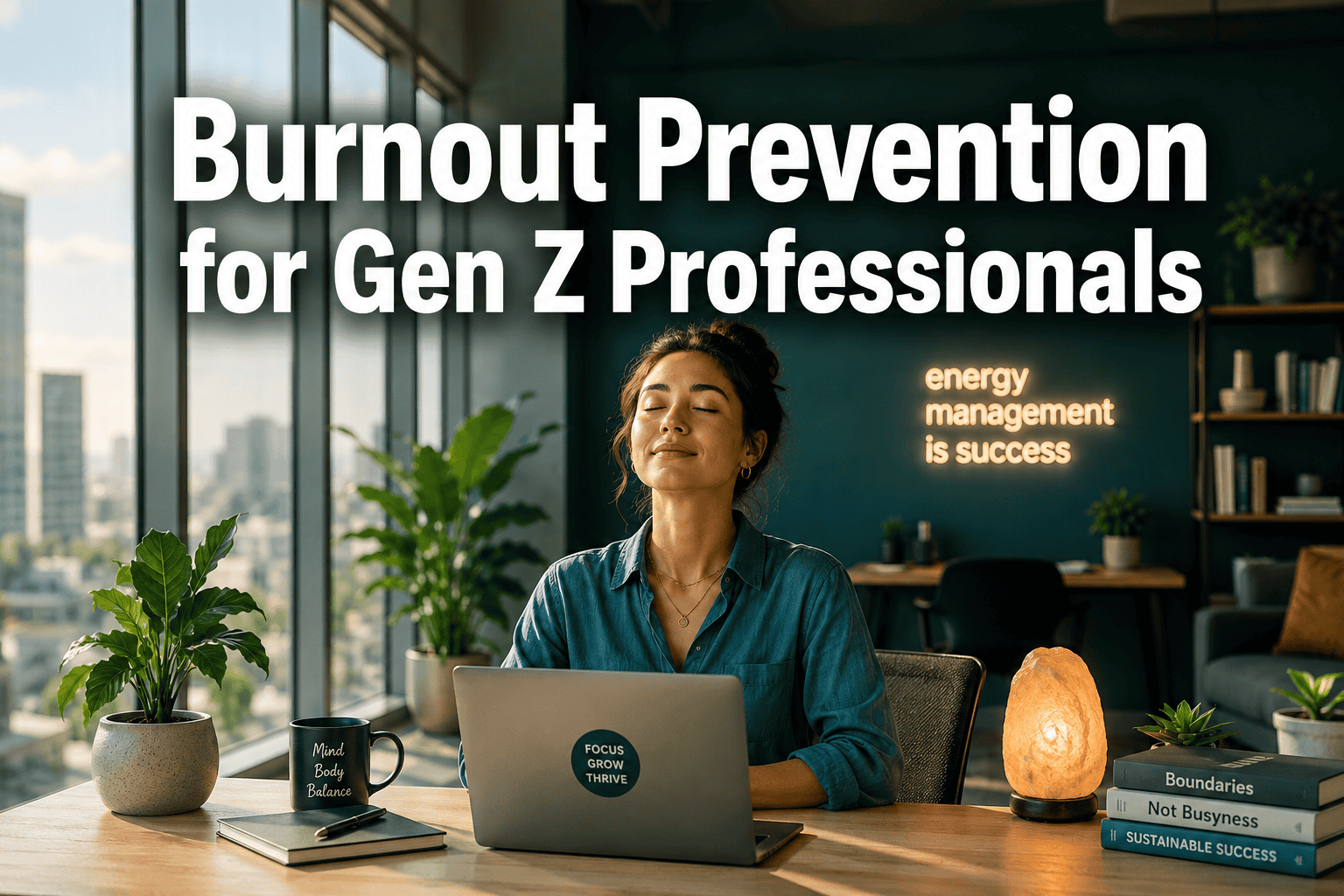
The numbers tell the story: 68% of Gen Z workers face high work-related stress, and 85% report feeling stressed often[1]. Rather than waiting for burnout, younger workers are adopting preventive strategies that fit their digital-native lifestyles. They’re openly prioritizing well-being and leaving toxic roles when boundaries aren’t respected.
Key differences between therapy and mental fitness:
- Therapy: Addresses existing mental health conditions, requires diagnosis, typically weekly sessions
- Mental fitness: Prevents problems through daily practice, accessible to everyone, integrates into routines
- Therapy: Often stigmatized, formal clinical setting
- Mental fitness: Normalized as self-care, uses apps and workplace programs
The pandemic accelerated this shift. Many Gen Z workers started careers remotely, missing out on social skill development and workplace norms. This created anxiety around small talk, phone calls, and in-person interactions[9]. Mental fitness training helps build confidence in these areas through structured practice.
Employers are catching on. In 2026, companies are adding mental fitness coaching and app subsidies as standard benefits, recognizing that prevention costs less than treating burnout[4].
Choose mental fitness training if: you’re experiencing manageable stress, want to prevent burnout, or prefer self-directed learning. Stick with therapy if: you have diagnosed conditions, need professional support, or face severe symptoms.
What Mental Fitness Skills Build Resilience Against Work Stress?

The PsyCap framework—Psychological Capital—provides four trainable skills that buffer job stress: self-efficacy, hope, optimism, and resilience. Unlike personality traits, these abilities improve through structured practice.
Self-efficacy means confidence in your ability to handle challenges. Build it by setting small goals, tracking wins, and reflecting on past successes. When work stress hits, self-efficacy helps you believe you can manage it.
Hope involves setting clear goals and identifying multiple paths to reach them. Gen Z workers with higher hope don’t collapse when one strategy fails—they pivot. Practice by writing specific goals and listing three different approaches for each.
Optimism doesn’t mean ignoring problems. It’s attributing setbacks to specific, temporary causes rather than permanent personal flaws. When a project fails, optimistic thinking says “this approach didn’t work” instead of “I’m incompetent.”
Resilience is bouncing back from setbacks. Strengthen it through exposure to manageable challenges, social support, and learning to release emotional stress rather than suppressing it.
Workshops, leadership coaching, and AI-gamified apps now deliver PsyCap training tailored for digital natives. These programs teach specific techniques rather than abstract concepts, making mental fitness as measurable as physical fitness.
Common mistake: Treating mental fitness as a one-time fix. Like physical training, it requires consistent practice. Five minutes daily beats sporadic hour-long sessions.
How Do Daily Mental Fitness Exercises Combat Workplace Burnout?
Daily mental fitness exercises work because they interrupt stress cycles before they compound. Small, consistent practices prevent the accumulation that leads to burnout.
Tactical breathing tops the list for Gen Z burnout relief. The 4-7-8 technique (inhale 4 counts, hold 7, exhale 8) activates the parasympathetic nervous system, countering the fight-or-flight response that workplace stress triggers. Use it before meetings, during breaks, or when anxiety spikes.
Mindfulness breaks don’t require meditation apps or quiet rooms. Greg Justice, Calm’s Chief Content Officer, emphasizes integrating mindfulness into existing routines—during commutes, workouts, or coffee breaks[8]. Three-minute body scans or focused breathing between tasks reset mental state.
Movement exercises combat the physical toll of desk work. Stand-up stretches, walking meetings, or brief exercise bursts improve both mental clarity and sleep quality. Nearly 36% of Gen Z cite sleep issues as a major concern, often worsened by sedentary work habits[1].
Practical daily routine:
- Morning (5 min): Set one intention, practice gratitude
- Midday (3 min): Tactical breathing or body scan between tasks
- Afternoon (10 min): Movement break—walk, stretch, or exercise
- Evening (5 min): Digital detox, reflection on wins
- Before bed (3 min): Progressive muscle relaxation for better sleep
These aren’t time-intensive. The key is consistency and integration into existing schedules. Understanding how stress can fuel growth helps reframe daily challenges as training opportunities rather than threats.
Edge case: If daily exercises increase anxiety rather than reducing it, you might need professional support. Mental fitness complements therapy but doesn’t replace it for clinical conditions.
What Digital Tools Support Mental Fitness Training for Gen Z in 2026?

Digital mental health tools match Gen Z’s tech preferences and desire for anonymity. Apps like Calm, Headspace, and specialized platforms offer CBT exercises, breathing techniques, and sleep programs accessible anytime.
McKinsey data shows 22% of Gen Z uses digital mental health programs versus 15% of older generations—the highest adoption rate across age groups[5]. These platforms work because they remove barriers: no appointments, no waiting rooms, no stigma.
Top features Gen Z values:
- On-demand access: Practice at 2am or during lunch breaks
- Privacy: No face-to-face disclosure required
- Gamification: Progress tracking, streaks, and rewards
- Customization: Tailored programs for work stress, sleep, or anxiety
- Integration: Syncs with calendars, fitness trackers, and routines
Calm’s 2026 Lifestyle hub exemplifies this shift, integrating mindfulness into commutes and workouts rather than requiring separate meditation sessions[8]. The approach recognizes that busy Gen Z workers won’t carve out 30-minute blocks but will use three-minute exercises throughout the day.
Privacy concerns moderate these benefits. Apps collect sensitive mental health data, and younger users should review privacy policies before sharing personal information. Look for HIPAA-compliant platforms if using employer-subsidized programs.
Comparison of popular platforms:
| Platform | Best For | Key Features | Cost |
|---|---|---|---|
| Calm | Sleep + integration | Lifestyle hub, sleep stories, breathing | $70/year |
| Headspace | Workplace stress | Work-specific programs, focus tools | $70/year |
| BetterHelp | Therapy access | Licensed therapists, messaging | $240-360/month |
| Sanvello | CBT techniques | Mood tracking, coping tools | Free-$90/year |
Many employers now subsidize these subscriptions as part of 2026 wellness benefits[4]. Check with HR before paying out-of-pocket.
Choose apps if: you prefer self-directed learning, need flexible timing, or want to supplement therapy. Avoid relying solely on apps if: you have severe symptoms, need medication management, or require crisis intervention.
How Are Employers Supporting Mental Fitness Training in 2026?
Employers are shifting from reactive EAP programs to proactive mental fitness perks. The change reflects Gen Z’s vocal demands for well-being support and the business case for preventing burnout.
In 2026, standard offerings include mental fitness coaching (one-on-one or group sessions), app subscription subsidies, and dedicated “mental fitness days”—recharge time without the stigma of calling in sick[10]. These normalize taking breaks before reaching crisis point.
What progressive employers provide:
- Mental fitness coaching: Structured PsyCap training, stress management workshops
- App subsidies: Free or discounted Calm, Headspace, or therapy platforms
- Mental fitness days: 2-4 annual days specifically for mental health, separate from sick leave
- Flexible work: Remote options (70% of Gen Z prefer this)[9], flexible hours
- Burnout policies: Workload monitoring, mandatory time off, manager training
Nearly 70% of Gen Z and millennials report that financial anxiety impacts work performance and mental health. Forward-thinking companies address this through financial wellness programs, student loan assistance, and transparent compensation[4].
The shift matters because workplace culture drives outcomes. When your brain plays tricks on you during high-stress periods, supportive policies and trained managers help interrupt negative thought patterns before they spiral.
Red flags to watch for:
- Mental health perks offered but discouraged in practice
- Managers who penalize mental fitness day usage
- Workloads that make breaks impossible
- Wellness programs without addressing root causes (understaffing, unrealistic deadlines)
Gen Z workers are leaving companies that don’t match actions to wellness promises. Two in five miss work due to stress—four times the rate of workers over 55[9]. Employers who ignore this face retention problems.
For job seekers: Ask about specific mental fitness benefits during interviews. Request usage statistics if possible—high enrollment suggests genuine support.
What Practical Steps Build Mental Fitness Resilience Starting Today?

Building mental fitness resilience doesn’t require overhauling your life. Start with one practice and add gradually.
Week 1: Establish baseline awareness
- Track stress triggers for five days (what situations, times, people increase anxiety?)
- Note sleep quality and duration
- Identify one current coping mechanism (even if unhealthy)
Week 2: Add breathing practice
- Choose one tactical breathing technique (4-7-8 or box breathing)
- Practice three times daily: morning, midday, before bed
- Use during identified stress triggers from week 1
Week 3: Integrate movement
- Add 10-minute movement break during highest-stress work period
- Try different activities (walking, stretching, quick workout)
- Track impact on afternoon energy and sleep
Week 4: Build hope and goal-setting
- Write three specific work or personal goals
- List three different paths to achieve each
- Review and adjust weekly
Ongoing maintenance:
- Continue daily breathing and movement
- Add mindfulness app (start with 3-minute sessions)
- Schedule monthly reflection on progress and adjustments
- Use humor as a stress-busting tool when appropriate
Boundary-setting for workplace stress:
- Define work hours and communicate them
- Turn off notifications outside those hours
- Practice saying no to non-essential requests
- Request remote work if it reduces your stress
- Use mental fitness days without guilt
Setting boundaries matters especially for Gen Z, who often lack the workplace experience to know what’s reasonable. Creator Ro Mitchell, 24, attributes much Gen Z anxiety to pandemic-era remote work that skipped social skill development[9]. Learning to set limits is itself a mental fitness skill.
Common mistakes to avoid:
- Trying to implement everything at once (leads to abandonment)
- Comparing your practice to others’ (mental fitness is individual)
- Skipping exercises when feeling good (consistency prevents problems)
- Expecting worst outcomes instead of realistic assessment
Track what works for you specifically. Mental fitness isn’t one-size-fits-all, and Gen Z’s diversity means different techniques resonate differently.
Conclusion
Mental fitness training for Gen Z represents a fundamental shift from reactive crisis management to proactive resilience-building. With 85% of Gen Z experiencing frequent stress and 68% facing high work-related pressure, the old approach—waiting until burnout hits—no longer works.
The practical path forward combines daily exercises (tactical breathing, mindfulness, movement) with structured skill development (PsyCap training in self-efficacy, hope, optimism, and resilience). Digital tools make these accessible on Gen Z’s terms: private, flexible, and integrated into existing routines rather than requiring separate time blocks.
Employers are responding with mental fitness coaching, app subsidies, and dedicated recharge days. But individual practice matters most. Start with one technique this week—tactical breathing before stressful meetings or a 10-minute movement break during your lowest-energy period. Build from there.
Mental fitness isn’t about eliminating stress. It’s about building capacity to handle it without breaking down. Gen Z is leading this shift, demanding workplaces that support well-being and leaving those that don’t. The resilience you build now prevents the burnout that derails careers and damages health.
Your next steps:
- Choose one daily mental fitness exercise to start tomorrow
- Track your stress triggers and sleep quality for one week
- Research your employer’s mental fitness benefits (or ask during job searches)
- Download one mental health app and commit to three-minute daily sessions
- Set one boundary around work hours or availability
The capability to manage stress and protect your mental health is trainable. You’re building it one practice at a time.
FAQ

What’s the difference between mental fitness and mental health? Mental health describes your overall psychological state, including diagnosed conditions. Mental fitness is the proactive practice of building resilience, like physical fitness prevents disease. You can practice mental fitness whether or not you have mental health challenges.
How long does it take to see results from mental fitness training? Most Gen Z workers notice reduced stress within 2-3 weeks of consistent daily practice (5-10 minutes). Measurable resilience improvements typically appear after 6-8 weeks of structured training in PsyCap skills like self-efficacy and optimism.
Can mental fitness training replace therapy? No. Mental fitness training prevents problems and builds general resilience, while therapy treats existing conditions with professional support. Many people benefit from both—therapy for specific issues and mental fitness for ongoing maintenance.
What if my employer doesn’t offer mental fitness benefits? Start with free resources: breathing exercises, movement breaks, and free app tiers (Headspace and Calm offer limited free content). Set your own boundaries around work hours and use available PTO strategically for mental health needs.
Why do Gen Z workers experience more workplace anxiety than older generations? Many Gen Z workers started careers during pandemic remote work, missing in-person social skill development. This creates anxiety around workplace interactions like small talk and phone calls. Additionally, financial stress and constant digital connectivity increase baseline anxiety levels.
How do I practice mental fitness with a busy work schedule? Integrate practices into existing routines rather than adding separate time. Use tactical breathing during your commute, practice mindfulness during coffee breaks, and do movement exercises between meetings. Three-minute practices done consistently beat hour-long sessions done rarely.
Are mental health apps actually effective? Research shows CBT-based apps reduce anxiety and improve stress management for mild to moderate symptoms. They work best as supplements to professional care or preventive tools, not as replacements for therapy in severe cases. Effectiveness depends on consistent use.
What should I do if mental fitness exercises increase my anxiety? Stop the practice and consult a mental health professional. Some techniques (like certain breathing exercises or meditation) can worsen symptoms for people with specific conditions. A therapist can recommend appropriate alternatives.
How do I know if I need therapy versus just mental fitness training? Seek therapy if you have severe symptoms (persistent hopelessness, panic attacks, suicidal thoughts), diagnosed conditions, or stress that significantly impairs daily functioning. Use mental fitness training for prevention, mild stress, or as a therapy supplement.
What are mental fitness days and how do I use them without guilt? Mental fitness days are dedicated PTO for mental health recharge, separate from sick leave. Use them before reaching burnout—when you notice increased stress, poor sleep, or declining performance. They’re preventive maintenance, not emergency response.
Can financial stress be addressed through mental fitness training? Mental fitness helps manage the emotional impact of financial stress through resilience-building and coping skills. However, addressing the root cause (budgeting, debt reduction, salary negotiation, or employer financial wellness programs) is equally important.
What’s the best mental fitness app for Gen Z workers? It depends on your primary need. Calm excels at sleep and lifestyle integration, Headspace offers strong workplace stress programs, and Sanvello provides CBT tools with mood tracking. Many employers subsidize subscriptions, so check benefits before purchasing.
References
[1] Getting Inside Gen Zs Head Data Spotlights Stress And Sleep Struggles – https://www.nutraingredients.com/Article/2026/01/30/getting-inside-gen-zs-head-data-spotlights-stress-and-sleep-struggles/
[4] 2026 Employee Wellness Trends – https://blog.nisbenefits.com/2026-employee-wellness-trends
[5] Gen Z Mental Health The Impact Of Tech And Social Media – https://www.mckinsey.com/mhi/our-insights/gen-z-mental-health-the-impact-of-tech-and-social-media
[8] Calm Lifestyle Press Release – https://www.calm.com/blog/calm-lifestyle-press-release
[9] Gen Z Is Suffering From Workplace Anxiety – https://www.telegraph.co.uk/health-fitness/wellbeing/mental-health/gen-z-is-suffering-from-workplace-anxiety/
[10] Emerging Wellness Trends In 2026 – https://www.barrowgroup.com/blog/emerging-wellness-trends-in-2026/