
Last updated: June 6, 2026
Quick Answer: Humor as stress relief works by triggering measurable physiological changes — reducing cortisol, releasing endorphins, and activating the body’s relaxation response. Research confirms that intentional laughter and comedy exposure can lower stress hormones within minutes. The key is building consistent humor habits rather than waiting for funny moments to happen on their own.
Key Takeaways
- Laughter reduces cortisol (the primary stress hormone) and triggers endorphin release, producing a documented calming effect [2][3]
- Humor works as a coping mechanism by replacing distressing emotions with moments of joy and perspective [4]
- Watching comedy provides immediate stress relief, though effects can fade within 30 minutes without consistent practice [1]
- Laughter strengthens immune function by increasing infection-fighting antibodies and reducing stress hormones [5]
- Both introverts and naturally serious people can develop a humor habit — it’s a learnable skill, not a personality trait
- Forced laughter (like laughter yoga) still delivers some physiological benefits, but genuine comedy produces stronger emotional results
- Social humor — laughing with others — amplifies stress relief through connection and shared experience [4]
- Humor is most effective as one tool in a broader stress management toolkit, not a standalone solution
How Laughing Actually Reduces Stress Hormones

Laughter triggers a two-phase stress response: it briefly activates the body’s arousal system, then rapidly cools it down, leaving a net calming effect. This isn’t anecdotal — it’s measurable in blood chemistry.
Here’s what happens physiologically when someone laughs:
- Cortisol drops. A systematic review and meta-analysis published in PMC found that spontaneous laughter interventions reduce cortisol levels, a direct marker of stress reduction [3].
- Endorphins release. The Mayo Clinic confirms that laughter stimulates the heart, lungs, and muscles while increasing endorphin output from the brain [2].
- Oxygen intake increases. Deep laughter floods the body with oxygen-rich air, which supports muscle relaxation and mental clarity [2].
- The nervous system resets. After a good laugh, heart rate and blood pressure drop below baseline, creating a physical sense of calm.
This is why humor as stress relief isn’t just a feel-good concept — it’s a biological intervention with a measurable mechanism.
“Laughter activates and then cools down the stress response, resulting in a relaxed feeling.” — Mayo Clinic [2]
Scientific Studies Proving Humor Reduces Cortisol Levels
The evidence base for humor as stress relief has grown significantly over the past decade. Here are the most credible findings:
| Study / Source | Key Finding |
|---|---|
| PMC Meta-Analysis [3] | Spontaneous laughter interventions measurably reduce cortisol |
| ScienceDirect (2023) [1] | Humorous video viewing produces immediate stress and well-being improvements |
| Mayo Clinic [2] | Laughter stimulates endorphin release and activates the relaxation response |
| MentalHealth.com [5] | Laughter increases immune cells and infection-fighting antibodies |
| Cleveland Clinic [6] | Early research links laughter to reduced artery inflammation and better HDL cholesterol |
One important nuance: a 2023 study found that while humorous videos produce an immediate drop in stress, those effects can diminish within 30 minutes [1]. This means a single funny video isn’t a stress cure — but a consistent humor practice is.
For a deeper look at the physiological evidence, see the stress-busting benefits of humor explored on CapableLifeNow.
Is Laughter Really Good for the Immune System?
Yes — and the mechanism is well-documented. Laughter reduces stress hormones like cortisol and epinephrine, which, when chronically elevated, suppress immune function. By lowering those hormones, laughter creates conditions where the immune system can operate more effectively [5].
Specific immune benefits include:
- Increased natural killer cell activity, which helps the body fight viruses and abnormal cells
- Higher levels of immunoglobulin A (IgA), an antibody that protects against respiratory infections
- Reduced stress hormones that would otherwise suppress immune response [5]
Cleveland Clinic research also suggests laughter may reduce artery inflammation and increase HDL cholesterol, pointing to cardiovascular benefits beyond immunity [6].
This isn’t a reason to skip flu shots and watch sitcoms instead. But it does mean that building a humor habit contributes to physical resilience alongside emotional wellbeing.
Best Types of Comedy for Stress Management
Not all humor delivers equal stress relief. The most effective types share one trait: they feel genuinely funny to the person experiencing them, not forced or obligatory.
Comedy formats ranked by accessibility and research support:
- Stand-up comedy and comedy specials — High engagement, easy to access, proven to reduce stress markers in short viewing sessions [1]
- Sitcoms and comedy series — Familiar characters reduce cognitive load, making it easier to relax fully
- Humor podcasts — Ideal for commutes or low-energy moments; pairs well with other activities
- Funny social media content — Quick hits of levity, but scrolling can become counterproductive (choose intentionally)
- Live comedy events — Social laughter amplifies the benefit through shared experience [4]
- Humor in conversation — Swapping funny stories with friends or colleagues builds both mood and connection
Choose based on your situation:
- Short on time? A 10-minute stand-up clip works.
- Feeling isolated? Watch comedy with someone else or call a funny friend.
- Commuting? A humor podcast is a practical fit.
If stress at work is a recurring issue, pairing humor habits with practical tools for managing work stress gives a more complete approach.
Difference Between Forced Laughter and Genuine Comedy for Stress

Forced laughter (as in laughter yoga) and genuine comedy both offer benefits, but they work through slightly different pathways — and the outcomes differ in meaningful ways.
Forced laughter:
- Involves deliberate laughter without a humorous trigger
- Still activates some of the same physiological responses (muscle engagement, oxygen intake)
- Can shift mood through the “facial feedback” effect — the act of smiling or laughing signals the brain toward positive emotion
- Best used as a quick reset when no comedy is available
Genuine comedy:
- Produces stronger emotional engagement and more sustained cortisol reduction [3]
- Activates cognitive, emotional, and social brain regions simultaneously [7]
- Builds a more durable positive mood shift
- More likely to produce the social bonding benefits of shared laughter [4]
The practical takeaway: Forced laughter is a useful emergency tool. Genuine humor is the foundation of a real stress relief practice. Don’t rely exclusively on laughter yoga if you have access to comedy that actually makes you laugh.
How Much Humor Do You Need to See Real Stress Reduction Effects?
There’s no universally agreed dosage, but the research offers useful guidance. The 2023 ScienceDirect study found measurable stress reduction from a single humorous video session, though effects faded within 30 minutes [1]. This suggests that frequency matters more than duration.
A practical framework:
- Daily micro-doses (5–15 minutes of comedy content) appear more effective than occasional long sessions
- Social laughter — even brief — amplifies and extends the benefit
- Consistency over intensity: Three short comedy breaks per week outperforms one 90-minute comedy marathon
Think of humor like snack-sized workouts for stress — small, frequent doses compound over time into a meaningful effect.
There’s no rigid prescription, but the evidence points toward building humor into daily routines rather than treating it as an occasional reward.
Cheap and Easy Ways to Add More Humor to Your Daily Routine

Humor as stress relief doesn’t require a comedy club membership or a naturally funny personality. Most effective strategies cost nothing and take under 15 minutes.
Practical daily humor habits:
- Morning comedy clip: Replace five minutes of news scrolling with a stand-up clip or funny video
- Humor playlist: Curate a playlist of podcasts or YouTube channels that reliably make you laugh
- Funny friend check-in: Text or call one person who consistently makes you laugh — even briefly
- Desk humor: Keep a small item at your workspace that makes you smile (a funny mug, a ridiculous desk toy)
- Comedy audiobook on commute: Memoir-style comedy books work well in audio format
- Shared humor at work: Start a team chat thread for funny (appropriate) content — it builds connection and lightens the mood
- End-of-day comedy wind-down: Replace doom-scrolling before bed with 10 minutes of a comedy series
Cost breakdown:
| Habit | Cost |
|---|---|
| YouTube comedy clips | Free |
| Comedy podcasts | Free |
| Library comedy audiobooks | Free |
| Streaming comedy specials | Existing subscription |
| Live comedy show | $15–$40 (varies) |
For a broader stress relief toolkit, the self-care gifts and stress relief guide covers additional low-cost options worth exploring.
Can Humor Therapy Work for Serious Mental Health Conditions?
Humor therapy — structured use of humor in clinical or therapeutic settings — shows genuine promise as a complementary tool, but it’s not a replacement for professional treatment.
Where it helps:
- Reducing anxiety and depression symptoms when used alongside therapy [4]
- Improving quality of life for people managing chronic illness or pain [2]
- Building emotional resilience and perspective-taking in therapy contexts
- Reducing social isolation, which often worsens mental health conditions [4]
Where it has limits:
- Humor alone does not treat clinical depression, PTSD, or anxiety disorders
- Poorly timed or inappropriate humor can feel dismissive and worsen trust in therapeutic relationships
- People in acute crisis need clinical intervention first
The right framing: Humor is a coping mechanism and mood-support tool, not a clinical treatment. Scientific American describes it as a way to “replace distressing emotions with moments of joy and connection” [4] — which is meaningful, but distinct from treating an underlying condition.
If you’re managing serious mental health challenges, pair humor habits with evidence-based support. The mental health reset routines guide offers a practical daily framework that complements humor-based strategies.
What Kind of People Benefit Most from Humor as Stress Relief

Humor as stress relief is broadly accessible, but certain people tend to see the strongest results based on their stress profile and social context.
Who benefits most:
- People with high-pressure jobs — Professionals in demanding roles use humor to create psychological distance from stressors, which prevents emotional exhaustion [4]
- Caregivers — Humor provides relief from the emotional weight of supporting others
- People with strong social networks — Shared laughter amplifies benefits through connection [4]
- Those with cognitive flexibility — People who can reframe situations tend to use humor more effectively as a coping tool
Who still benefits, but needs more structure:
- Introverts or naturally serious people (see next section)
- People managing chronic stress (humor works best as part of a broader strategy)
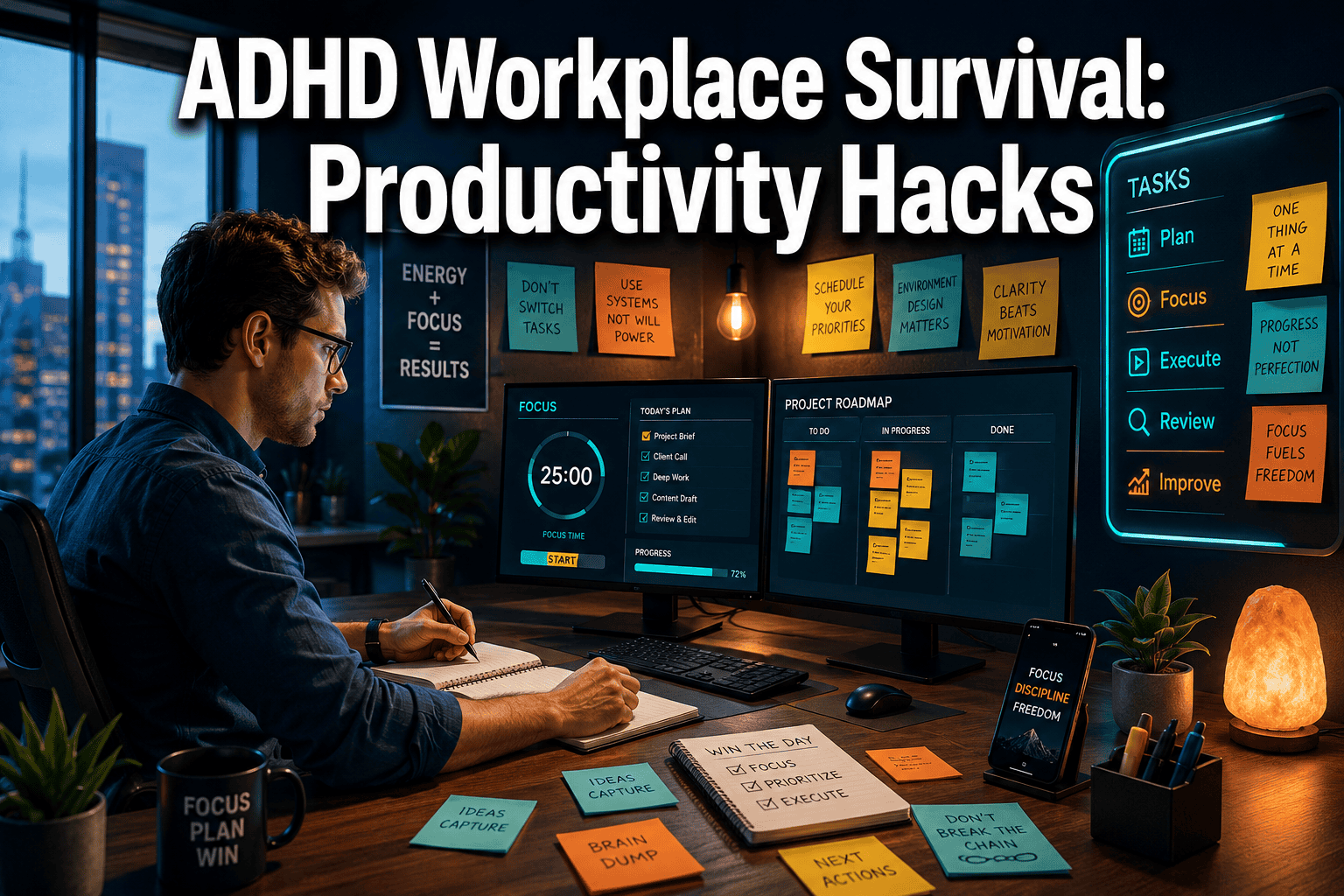
- Those with ADHD or attention challenges — humor can be a powerful mood regulator when applied intentionally. See the ADHD workplace stress survival guide for context-specific strategies.
Can Introverts or Serious People Learn to Use Humor for Stress Relief?
Yes — and this is one of the most common misconceptions about humor as a stress tool. Humor is not exclusively the domain of extroverts or naturally comedic personalities.
What the research shows: Humor engages cognitive, emotional, and social brain regions [7]. It’s a mental skill, not just a personality trait. Like any skill, it can be developed with deliberate practice.
Practical steps for introverts and serious people:
- Start private. Watch comedy alone before trying to be funny around others. Enjoying humor doesn’t require performing it.
- Find your genre. Dry wit, absurdist humor, or observational comedy may resonate more than slapstick. Experiment.
- Notice what already makes you smile. Build from existing preferences rather than forcing unfamiliar styles.
- Practice light reframing. When something goes wrong, ask: “Will this be funny in a year?” It’s a low-stakes humor habit.
- Use humor in writing first. Texting a funny observation is lower pressure than being funny in person.
The goal isn’t to become a comedian. It’s to build enough of a humor habit that laughter becomes a reliable tool in the stress relief toolkit.
Common Mistakes People Make When Using Humor for Stress
Even well-intentioned humor habits can backfire. Here are the most common errors — and how to avoid them.
Mistake 1: Using humor to avoid emotions Humor that deflects rather than processes stress can become avoidance. If every difficult moment gets laughed off without any reflection, the underlying stress accumulates. Use humor to lighten the load, not to skip the work of releasing emotional stress.
Mistake 2: Relying on passive scrolling Mindlessly scrolling for funny content often increases anxiety rather than reducing it. Curate intentionally — choose specific channels or shows rather than open-ended feeds.
Mistake 3: Using humor at others’ expense Sarcasm and put-down humor can damage relationships and create social stress, which directly undermines the relief you’re seeking. Affiliative humor (laughing with people) outperforms aggressive humor for stress outcomes [4].
Mistake 4: Expecting instant long-term results A single comedy session produces short-term relief [1]. Expecting permanent stress reduction from one funny video sets up disappointment. Consistency is the actual mechanism.
Mistake 5: Forcing it when it isn’t working If a humor attempt feels hollow or stressful in itself, it’s counterproductive. On high-stress days, other nervous system regulation techniques may need to come first before humor can land effectively.
Are There Risks or Downsides to Using Humor as a Stress Management Technique?
Humor is low-risk for most people, but a few genuine downsides are worth knowing.
Potential downsides:
- Avoidance masking: Chronic use of humor to dodge difficult emotions can delay necessary processing
- Social misfires: Humor used at the wrong moment (during someone else’s crisis, in a serious professional setting) can damage relationships and create new stressors
- Passive consumption trap: Binge-watching comedy as procrastination adds time pressure and guilt, negating the benefit
- Not a substitute for treatment: For clinical anxiety, depression, or trauma, humor alone is insufficient and should not replace professional care
Who should be cautious:
- People in acute grief or crisis — humor may feel alienating rather than relieving
- Those whose humor style tends toward self-deprecation — excessive self-deprecating humor correlates with lower self-esteem and less effective stress coping
The risk profile is low overall. But like any tool, humor works best when used with awareness of context and personal limits.
Build the Habit, Not Just the Moment
Humor as stress relief is one of the most accessible, evidence-backed tools available — and it costs almost nothing to implement. The science is clear: laughter reduces cortisol, releases endorphins, supports immune function, and creates the social connection that buffers against chronic stress [2][3][4][5].
But the research is equally clear that a single funny video isn’t enough. The benefit comes from consistency — small, daily doses of genuine humor woven into an existing routine.
Your next steps:
- Identify your humor format — stand-up, podcasts, comedy series, or funny friends. Pick one that reliably makes you laugh.
- Schedule it. Put a 10-minute comedy break into your day the same way you’d schedule a meeting.
- Add a social layer. Share something funny with one person this week. Shared laughter compounds the effect.
- Pair it with other tools. Humor works best alongside deep breathing and grounding techniques, physical movement, and genuine rest.
- Track your mood. Notice whether days with intentional humor feel different from days without it. That feedback loop builds the habit.
Stress is real. The tools to manage it should be too. Humor isn’t a distraction from serious self-care — it’s a legitimate, science-backed part of it.
Frequently Asked Questions
Q: How quickly does laughter reduce stress? Stress hormone reduction can begin within minutes of genuine laughter. Research shows measurable improvements in well-being from a single humorous video session, though the effects may fade within 30 minutes without repeated exposure [1].
Q: Is laughter yoga effective even if it feels awkward? Yes, to a degree. Forced laughter still engages the muscles and respiratory system involved in genuine laughter, producing some physiological benefit. However, genuine comedy produces stronger and more sustained emotional relief [3].
Q: Can humor make stress worse? In some contexts, yes. Humor used to avoid processing emotions, or deployed at socially inappropriate moments, can increase stress rather than reduce it. Aggressive or self-deprecating humor also tends to be less effective than humor that connects people [4].
Q: Does humor help with physical pain? Laughter may ease pain by prompting the body to produce natural painkillers (endorphins). The Mayo Clinic notes this as one of laughter’s documented physical benefits [2].
Q: How does humor affect the heart? Early research suggests laughter may reduce artery inflammation and increase HDL (good) cholesterol, contributing to cardiovascular health alongside its stress-reduction effects [6].
Q: Is humor as stress relief suitable for children? Yes. Playfulness and laughter are natural stress regulators for children. Age-appropriate humor and play serve similar physiological and emotional functions as adult humor-based stress relief.
Q: What if nothing feels funny when I’m very stressed? This is common. High stress narrows cognitive bandwidth, making humor harder to access. In those moments, start with nervous system regulation techniques first to lower baseline arousal, then introduce humor once the edge is off.
Q: Can humor improve workplace relationships? Yes. Affiliative humor — laughing with colleagues rather than at them — builds trust, reduces tension, and improves team cohesion. It’s one of the most socially productive forms of stress relief [4].
Q: Does watching comedy count, or do I need to be funny myself? Watching comedy absolutely counts. Consuming humor produces the same core physiological benefits as generating it. Being funny yourself adds a social dimension, but it’s not required for stress relief.
Q: How is humor different from distraction as a stress tool? Distraction temporarily redirects attention. Humor actively changes the body’s stress chemistry through laughter’s physiological effects. Humor also builds resilience and perspective over time in ways that passive distraction does not [4][5].
References
[1] S2451958823000039 – https://www.sciencedirect.com/science/article/pii/S2451958823000039
[2] Art 20044456 – https://www.mayoclinic.org/healthy-lifestyle/stress-management/in-depth/stress-relief/art-20044456
[3] Pmc10204943 – https://pmc.ncbi.nlm.nih.gov/articles/PMC10204943/
[4] How Humor Can Help You Get Through Hard Times – https://www.scientificamerican.com/article/how-humor-can-help-you-get-through-hard-times/
[5] Distraction And Humor In Stress Reduction – https://www.mentalhealth.com/library/distraction-and-humor-in-stress-reduction
[6] Is Laughing Good For You – https://health.clevelandclinic.org/is-laughing-good-for-you
[7] Laughter Can Improve Your Mood And Relieve Your Body And Mind Of Stress – https://www.sciencealert.com/laughter-can-improve-your-mood-and-relieve-your-body-and-mind-of-stress